Dead Tree Removal in Doylestown, PA
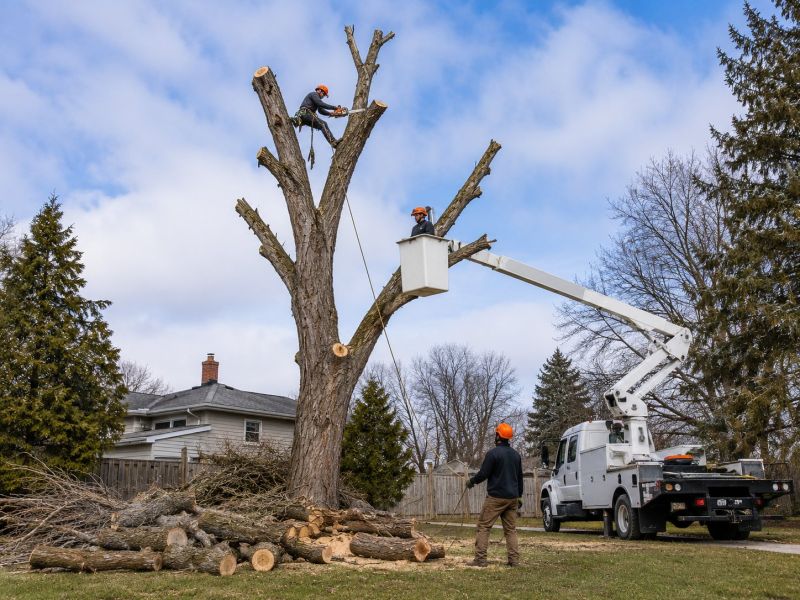
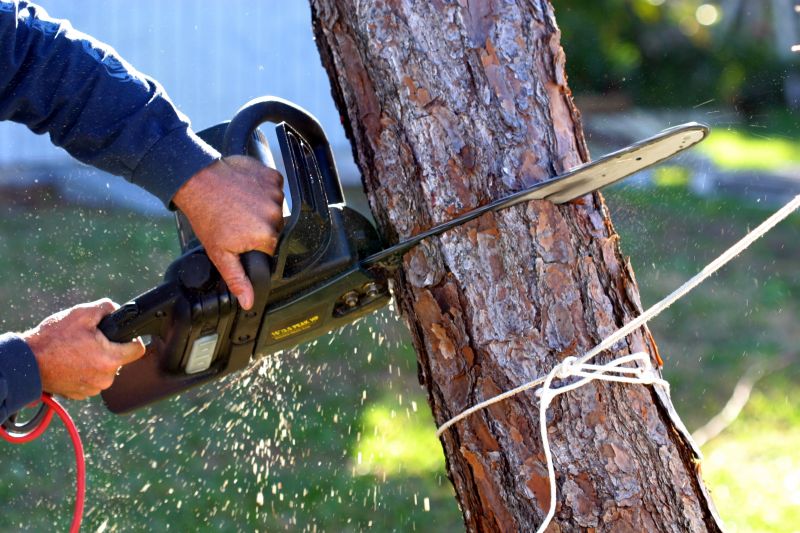
Dead tree removal services involve the safe and efficient elimination of trees that are dead, dying, or pose a risk to property. This process typically includes assessing the tree’s condition, planning the safest method of removal, and then carefully cutting and removing the tree and its debris. Projects often include removing trees that are located near structures, power lines, or other valuable landscaping, as well as clearing trees that have become hazardous due to disease or storm damage.
Property owners considering dead tree removal should understand the importance of proper assessment and planning before proceeding. Factors such as the tree’s size, location, and condition can influence the complexity of the removal process. It’s also useful to know whether the removal will involve stump grinding or complete removal of roots, especially if the space will be repurposed or landscaped afterward. Clear communication about these considerations can help ensure the project meets safety standards and aligns with property goals.
Many property owners in Doylestown, PA look into Dead Tree Removal for repairs, replacements, upgrades, and appearance-related improvements.
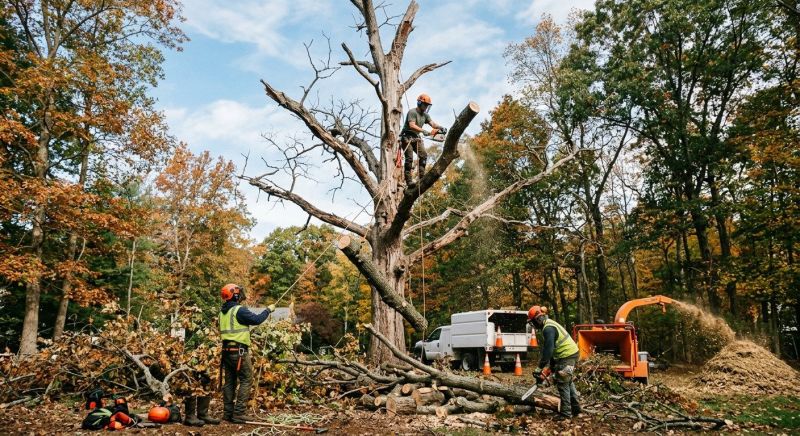
Signs A Tree Needs Removal
Dead or dying trees can pose safety risks and may require professional removal.
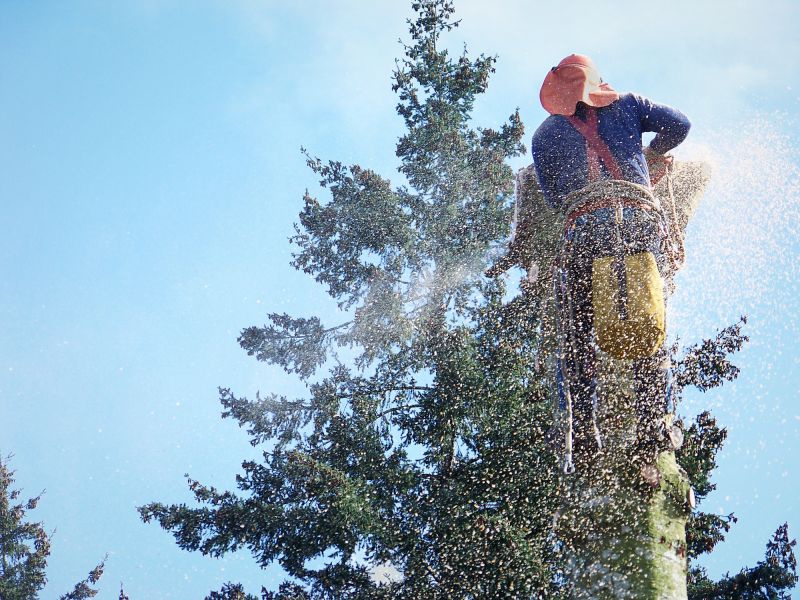
Safety And Property Protection
Removing hazardous trees helps prevent damage to structures and keeps the property safe.
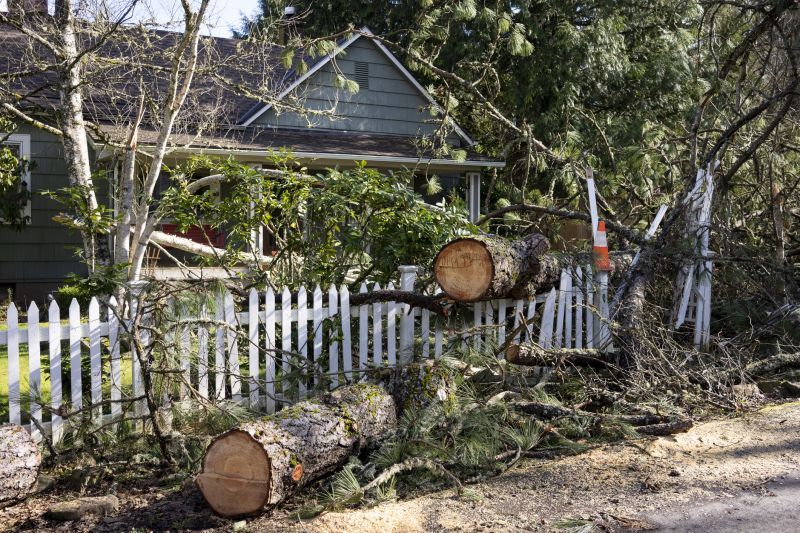
Cleanup And Disposal Process
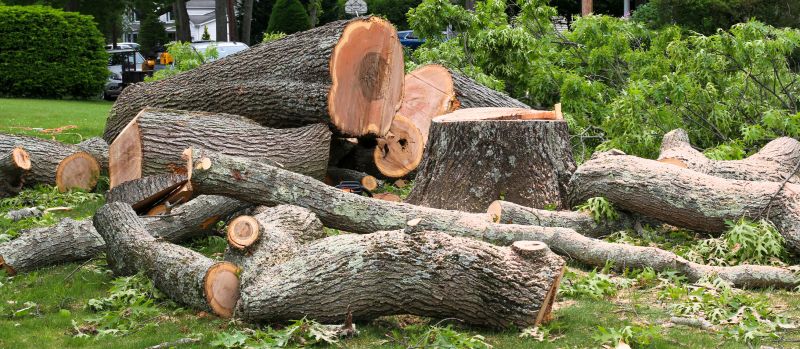
Proper removal includes debris cleanup to restore the appearance and safety of the landscape.
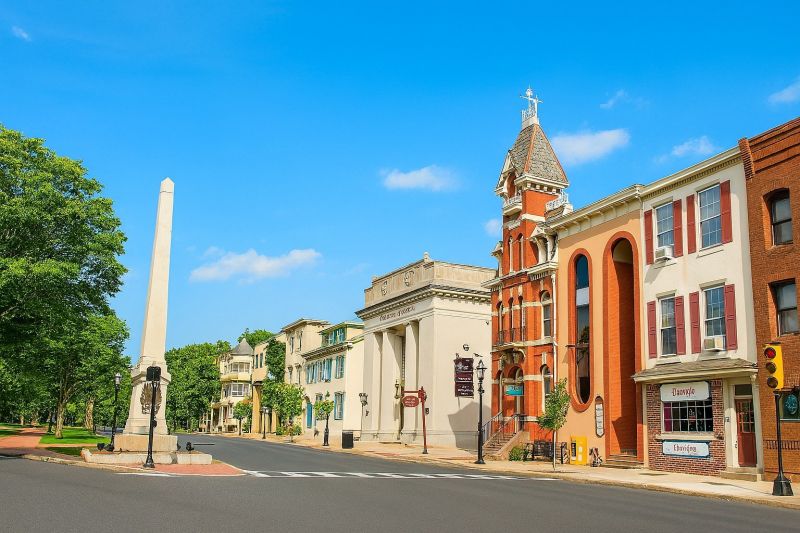
Dead Tree Removal in Doylestown, PA
Dead tree removal services involve the safe and efficient elimination of trees that are dead, dying, or pose a risk to property. This process typically includes assessing the tree’s condition, planning the safest method of removal, and then carefully cutting and removing the tree and its debris. Projects often include removing trees that are located near structures, power lines, or other valuable landscaping, as well as clearing trees that have become hazardous due to disease or storm damage.
Property owners considering dead tree removal should understand the importance of proper assessment and planning before proceeding. Factors such as the tree’s size, location, and condition can influence the complexity of the removal process. It’s also useful to know whether the removal will involve stump grinding or complete removal of roots, especially if the space will be repurposed or landscaped afterward. Clear communication about these considerations can help ensure the project meets safety standards and aligns with property goals.
Many property owners in Doylestown, PA look into Dead Tree Removal for repairs, replacements, upgrades, and appearance-related improvements.
Common Dead Tree Removal Jobs
Dead Tree Removal - safely removes hazardous or dead trees to protect property and safety.
Storm Damage Cleanup - clears fallen or broken dead trees after storms to prevent further damage.
Urban Tree Clearance - removes dead or unwanted trees in tight or restricted spaces.
Landscape Enhancement - eliminates dead trees to improve curb appeal and overall landscape health.
Emergency Tree Removal - provides urgent removal of dead or dangerous trees threatening structures.
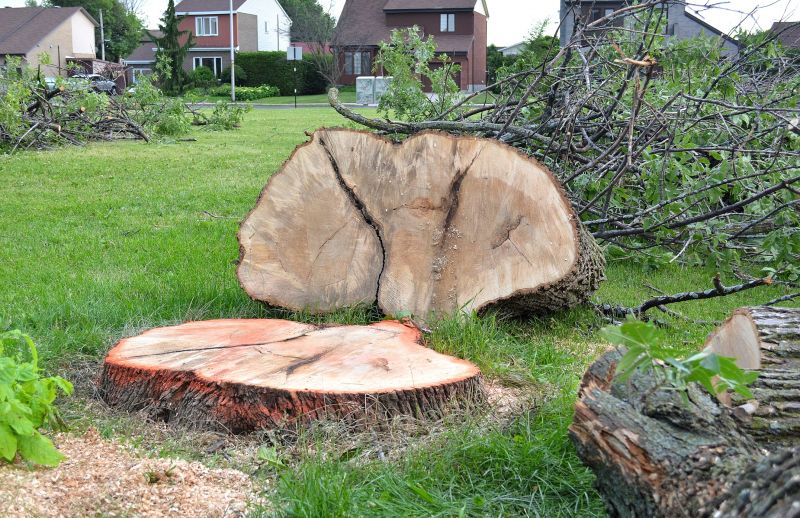
Stump Grinding - offers stump removal after dead trees are cut down to prevent pest infestations.
Dead Tree Removal Questions
When is dead tree removal necessary? Dead trees may pose safety risks, obstruct views, or cause damage to property, indicating the need for removal.
What signs indicate a tree is dead? Signs include lack of leaves, brittle branches, discoloration, and fungal growth on the trunk.
Is dead tree removal safe for nearby structures? Proper removal techniques ensure that surrounding structures and landscaping are protected during the process.
What should property owners consider before removal? It's important to assess the tree's location, size, and potential hazards to determine the best removal approach.
Request Dead Tree Removal in Doylestown, PA
Use the quote form on this page to share the basics of your project and request more information for the type of work you need.